

Author Blog
Art Focus Magazine July 2026
Helene’s work is guided by a simple idea: if children fall in love with wildlife, they will grow up wanting to protect it. Stories have a unique ability to build emotional connections. When we care about a character, we care about what happens to them. Through storytelling, wildlife becomes more than a distant conservation issue -it becomes personal.
Author Life
The Great Housing Debate - Building a Hedgehog Home
Making a hedgehog house doesn’t have to be complicated, and if you’re not keen on DIY, there are plenty of off-the-shelf models to choose from. But how do you select the right home for your garden hedgehog?
Making a hedgehog house doesn’t have to be complicated, and if you’re not keen on DIY, there are plenty of ‘off the shelf’ models to choose from.
But how do you select the right home for your garden hedgehog?
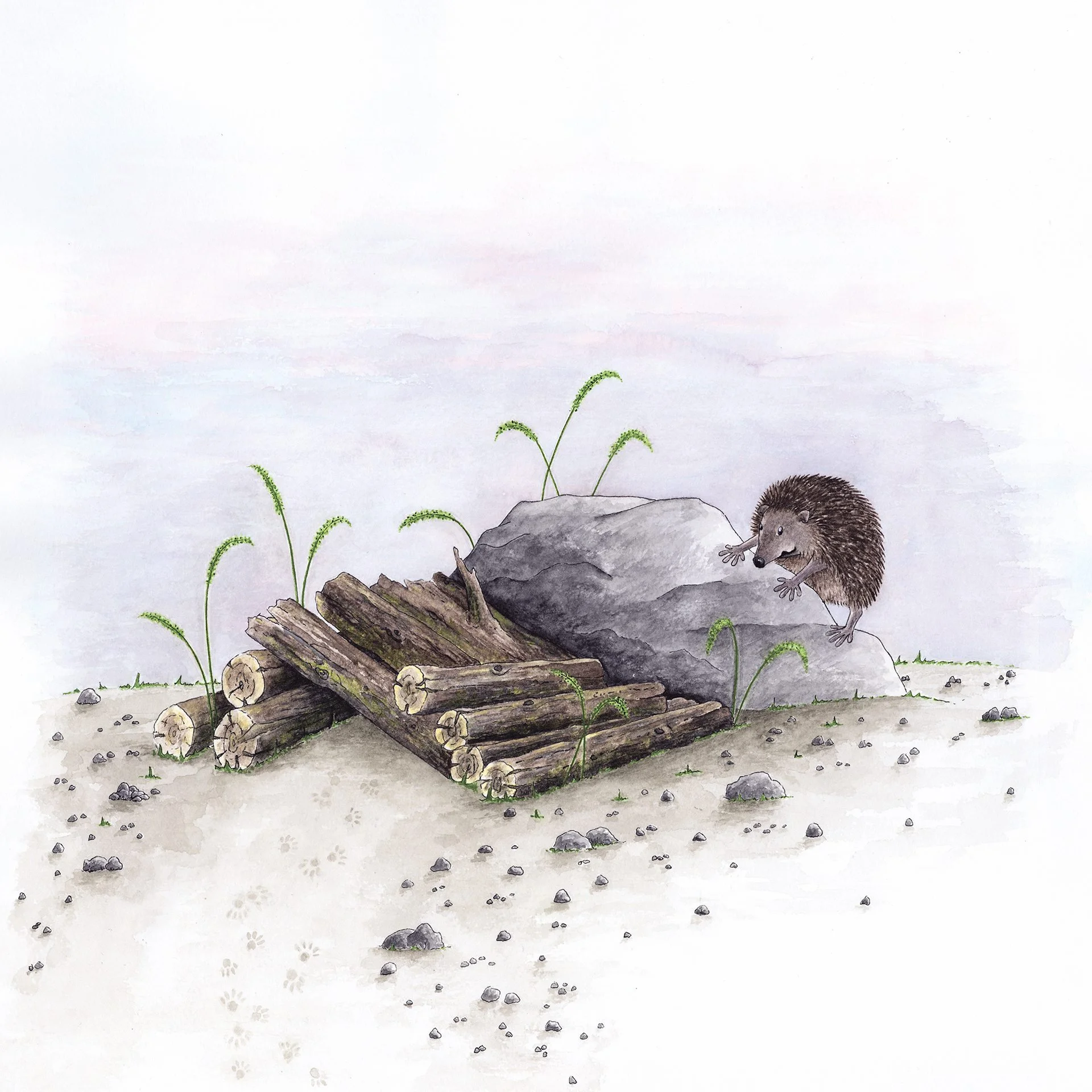
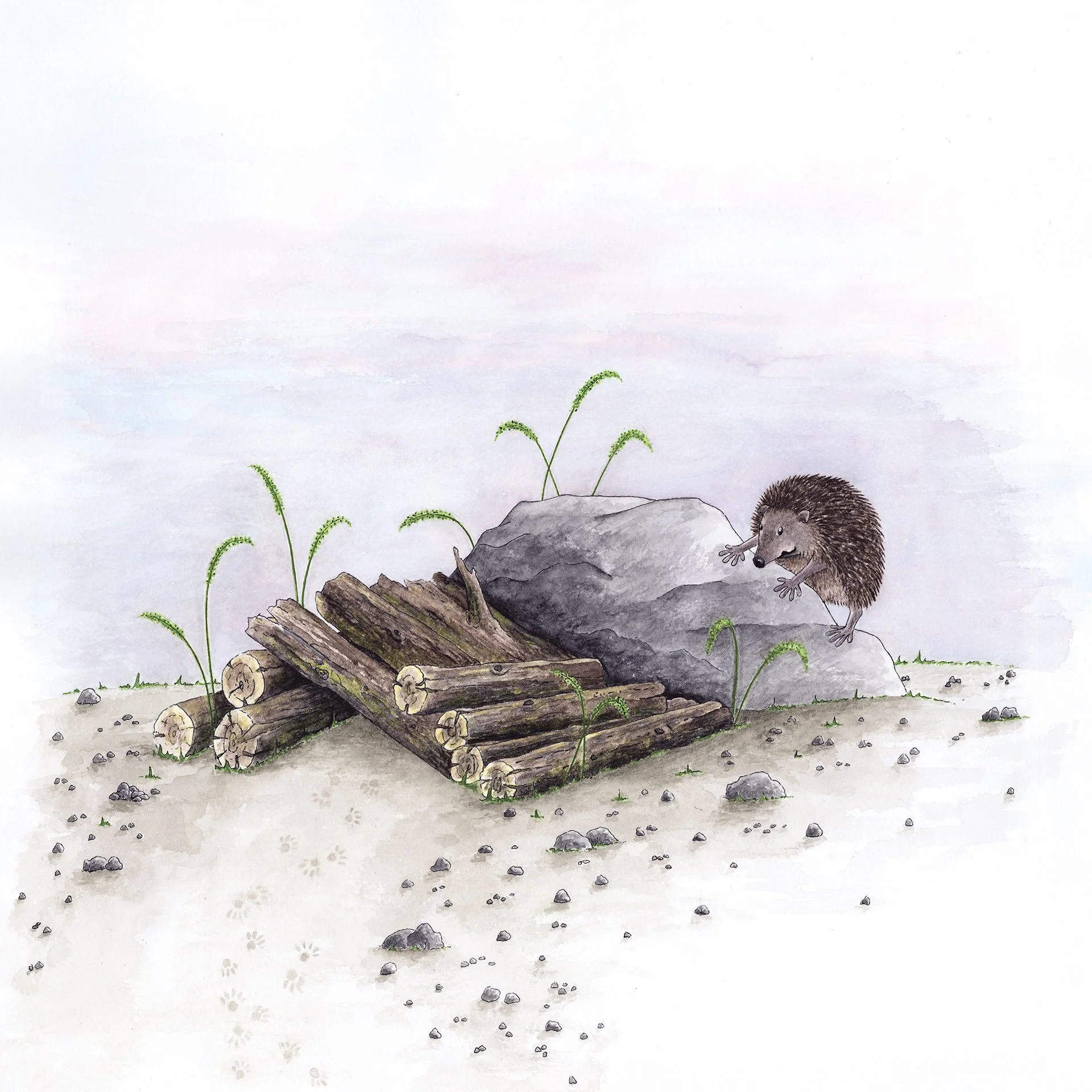
Illustration from ‘Hedgehog and the Fence’ by Helene Gardiner
Pine house, wooden slatted house, fibrewood house, log house, mud house, wicker house, igloo, hogilo, brick and slab, no base, with base, with or without entrance tunnel, basic, bespoke, single, double, hibernaculum - the list goes on!
Hedgehog homes are available to buy, or you can construct your own. There is now such a diverse range of des-res accommodation available for hedgehogs.
So, how do you choose Hedgehogs’ next home?
DIY
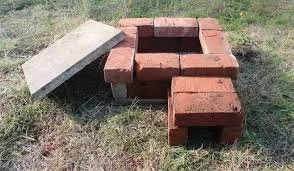
If you have access to a few bricks and a paving slab, this is one of the easiest methods to use. The weight of the materials will protect your hedgehog from predators throughout the summer breeding season and during winter hibernation.
If you don’t have a large paving slab, you can use a piece of plywood, but remember to weigh it down with bricks to avoid any unwanted attention from other animals.
It’s also good practice to incorporate a ‘tunnel’ entrance as this provides further protection from the hedgehogs being ‘hooked out’ of their nest.
Off-The-Shelf
There are so many variations of hedgehog houses available, some great, some not so.
Some have less-than-ideal features;
Homes incorporating wire can be a potential hazard if your hedgehog gets its claws caught in it.
A house without a tunnel or a separate sleeping area from the entrance provides less protection from predators.
Whatever you choose, make sure it is sighted in a quiet area, preferably tucked away in some bushes, where it won’t be disturbed.
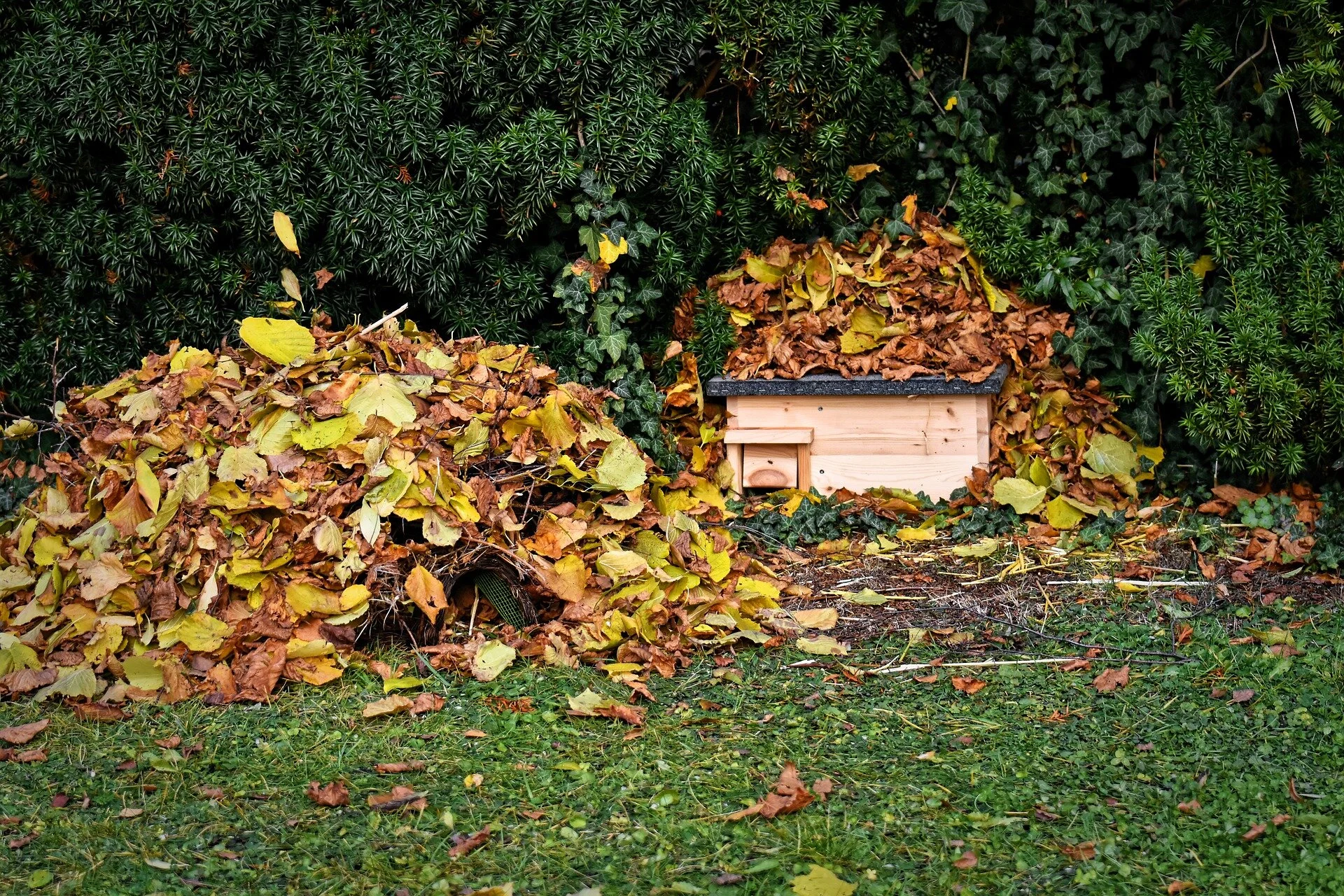
Nesting Materials
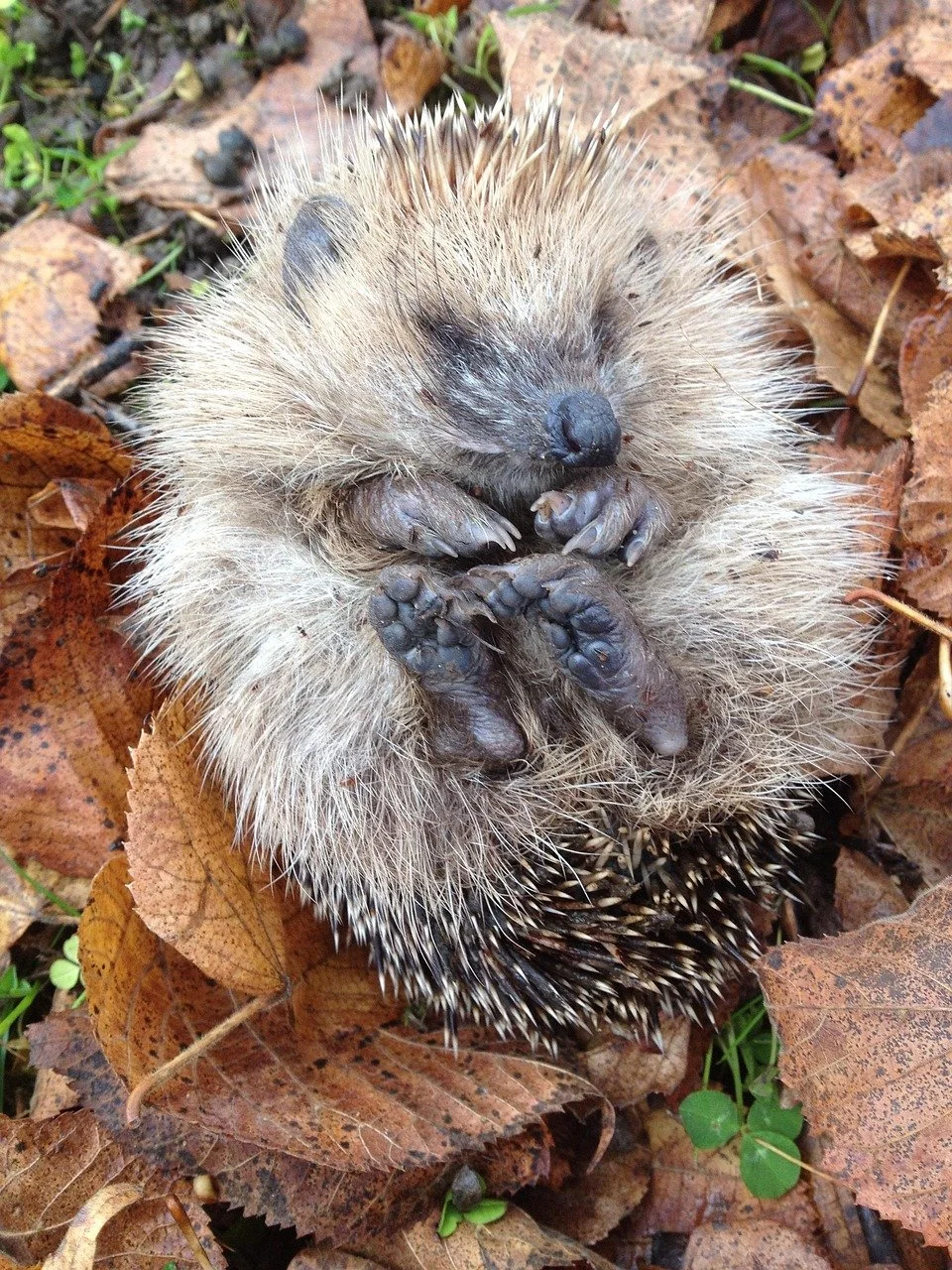
Hedgehogs are pretty resourceful, and will utilise leaf litter, twigs and moss to construct nests to sleep in, raise hoglets and hibernate in. Suitable locations can be under hedges, bushes, logs, compost heaps or sheds.
Dead plant material is an important resource not only for hedgehogs but also for other animals. Insects such as solitary bees and bumblebee queens will overwinter in leaf litter and hollow plant stems. Caterpillars may hide their pupae amongst plant material to safeguard their transformation to moths and butterflies, all-important insect pollinators.
Dry leaves, grass, and moss provide ideal bedding material.
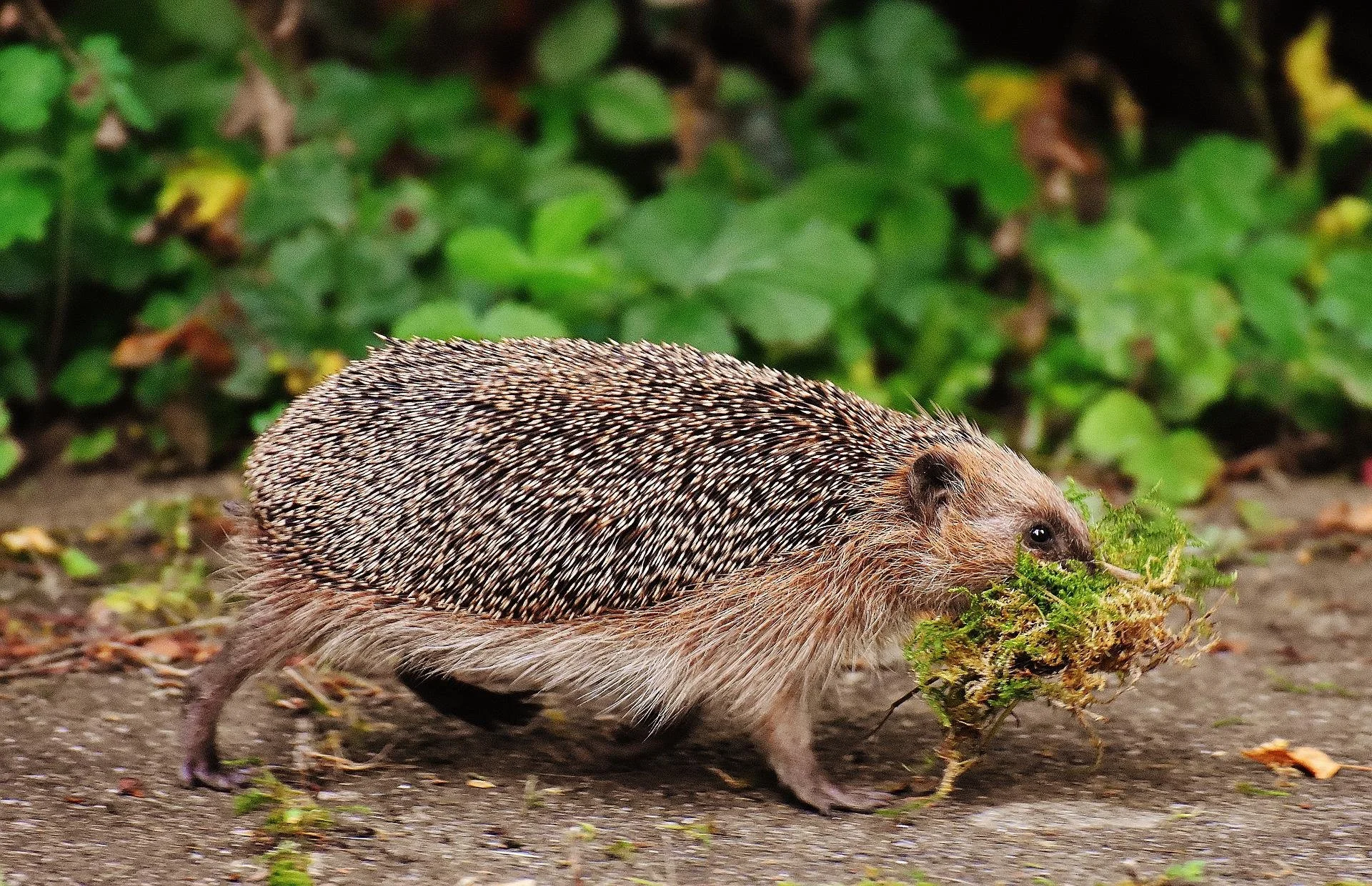
Undisturbed areas of dead plant material and rotting logs are also an ideal place for hedgehogs to find their natural food, insects.
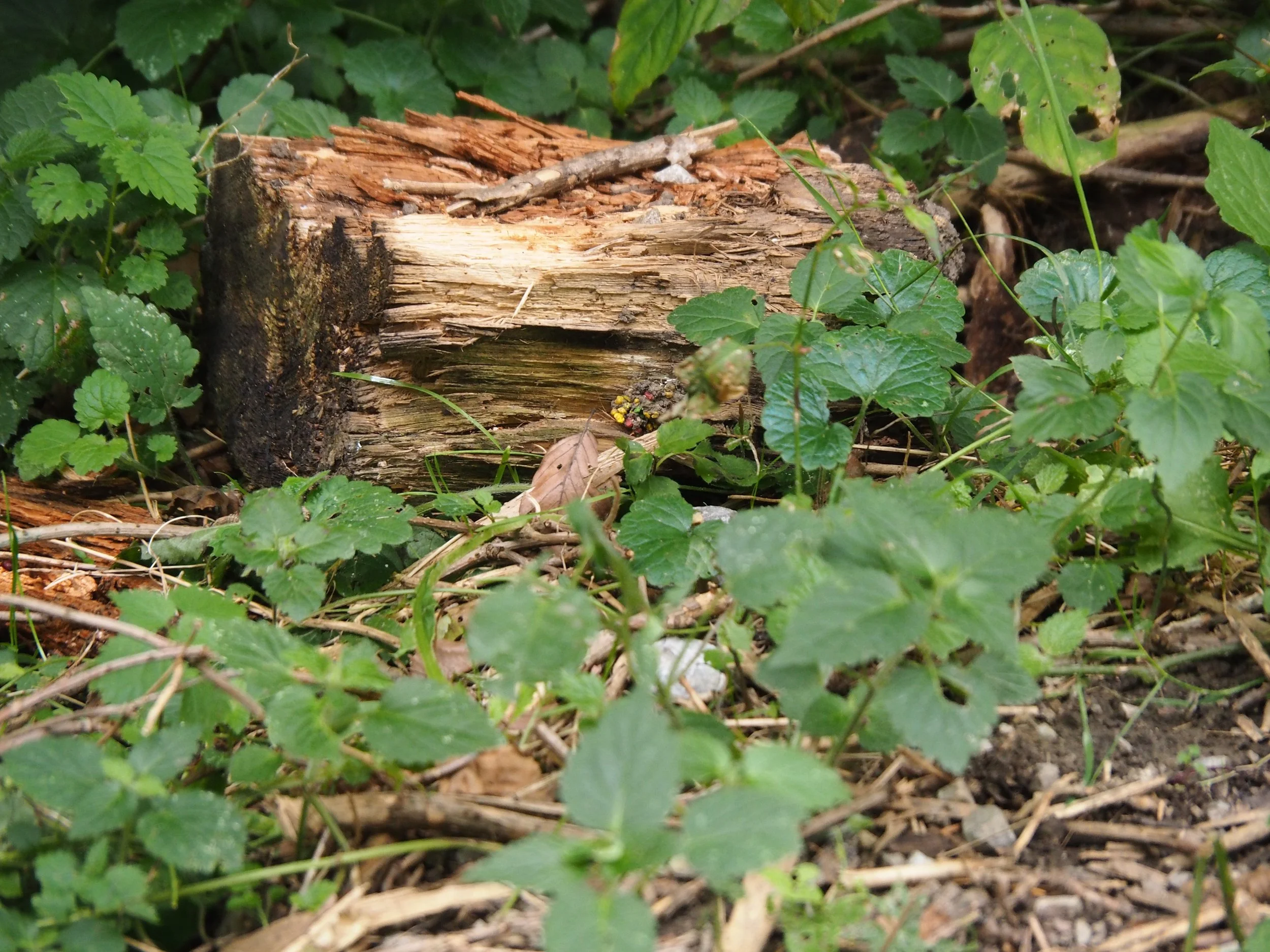
Image courtesy of Ratfink1973 on Pixabay.
Of course, if your hedgehog doesn’t find it first, other animals will also appreciate a bit of dry leaf litter!
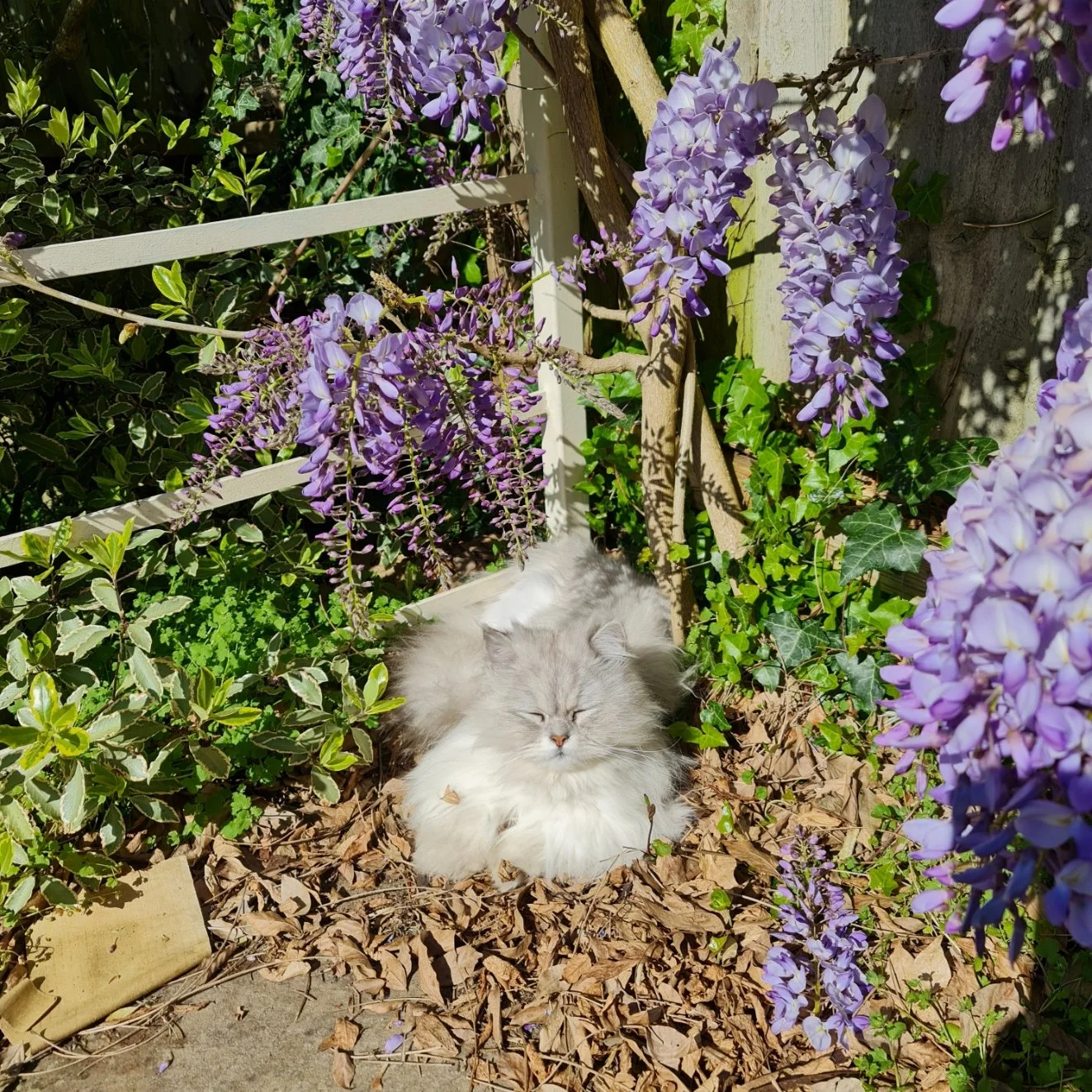
Image courtesy of Helene Gardiner
Hedgehog Highway
Of course, none of this is any good if hedgehogs can’t get into your garden in the first place!
It’s vital that hedgehogs can access areas, due to their vast range of territory. You can help hedgehogs by linking up your garden with your neighbours, creating your own hedgehog highway. Learn how to link your garden.
Please remember that if you have a hedgehog hibernating in your garden (between November and March in the UK), do not disturb it unless you have a good reason to.
Seek advice from the British Hedgehog Preservation Society or your nearest rescue; locate your nearest rescue here.

Capturing Hearts and Minds
Illustration is Easy, right?
Splash around a bit of paint, and let the child’s imagination do the rest. Throw in a bit of anthropomorphism and voila, you have characters that even #Disney would be proud of!
Then of course, there’s #AI; it’s changing the game and opening up the market to any wannabe illustrator (or author), and not always in a good way!
When I began illustrating wildlife’s stories to raise awareness for their decline, I had some important goals in mind. I wanted to make wildlife ‘accessible’ to everyone, but also give the #animals whose stories I told, the best chance of capturing hearts and minds.
A well illustrated picture book brings a story alive, engaging and immersing the audience. Something that is paramount when you’re hoping to get both your reader, and listener, to invest in your characters and their conservation!
The writing is also equally important. We’ve all read a picture book with great illustrations, only to feel ‘jarred’ or disappointed by the words.
A great picture book has to flow in symbiotic harmony; a ‘symphony’ so-to-speak. It’s not written overnight, on the back of a cigarette packet, whilst sat in a bar. It’s expertly crafted, like a fine cognac, matured, re-casketed, and tasted, until it’s at its absolute best.
So, like the finest of cognacs, my stories are crafted over many months (sometimes years) and the characters lovingly hand-painted in watercolour, in order to truly engage each animal with BOTH the reader, and the listener, #captureheartsandminds, and form an unforgettable bond… forever.
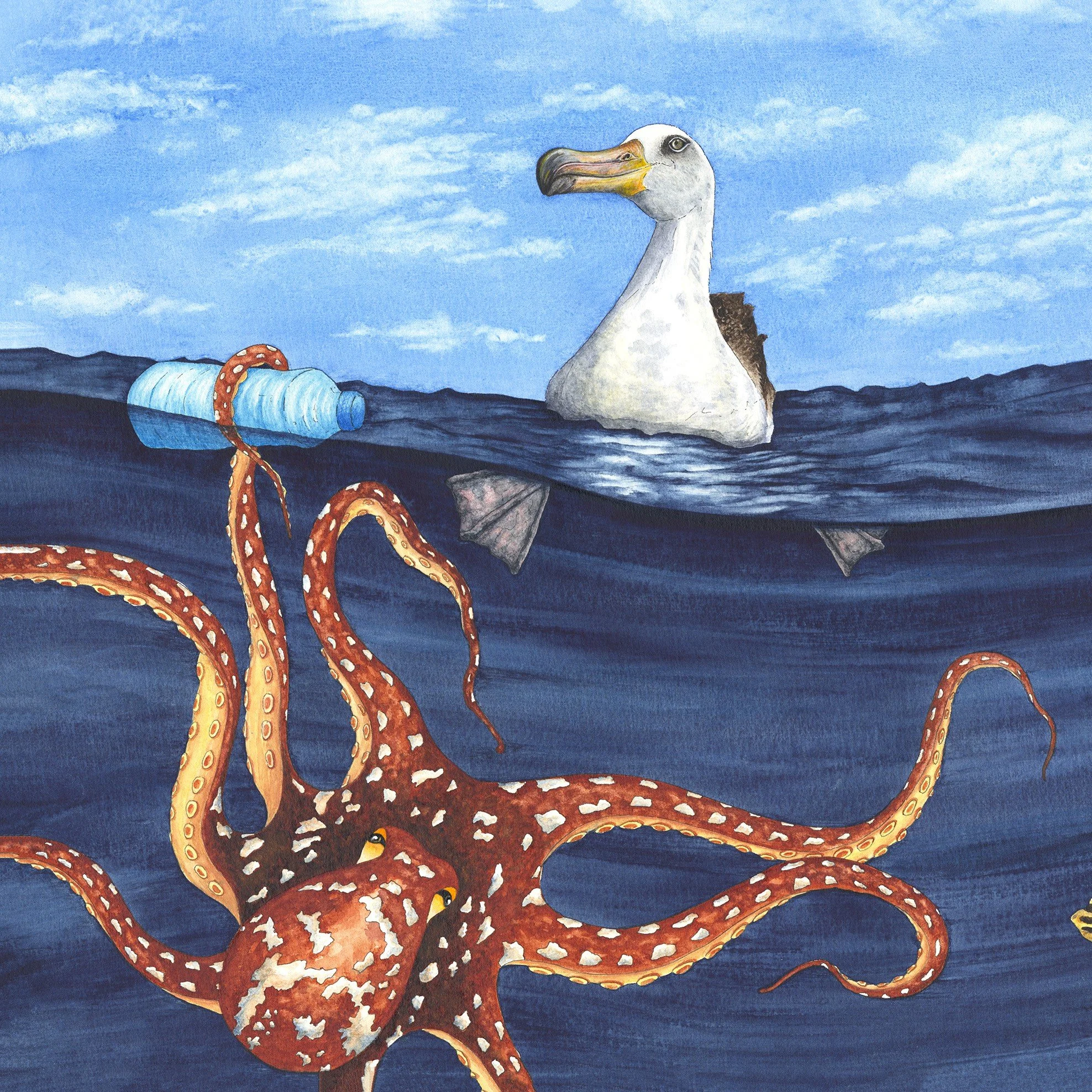
Here’s a happy albatross to brighten your day. x
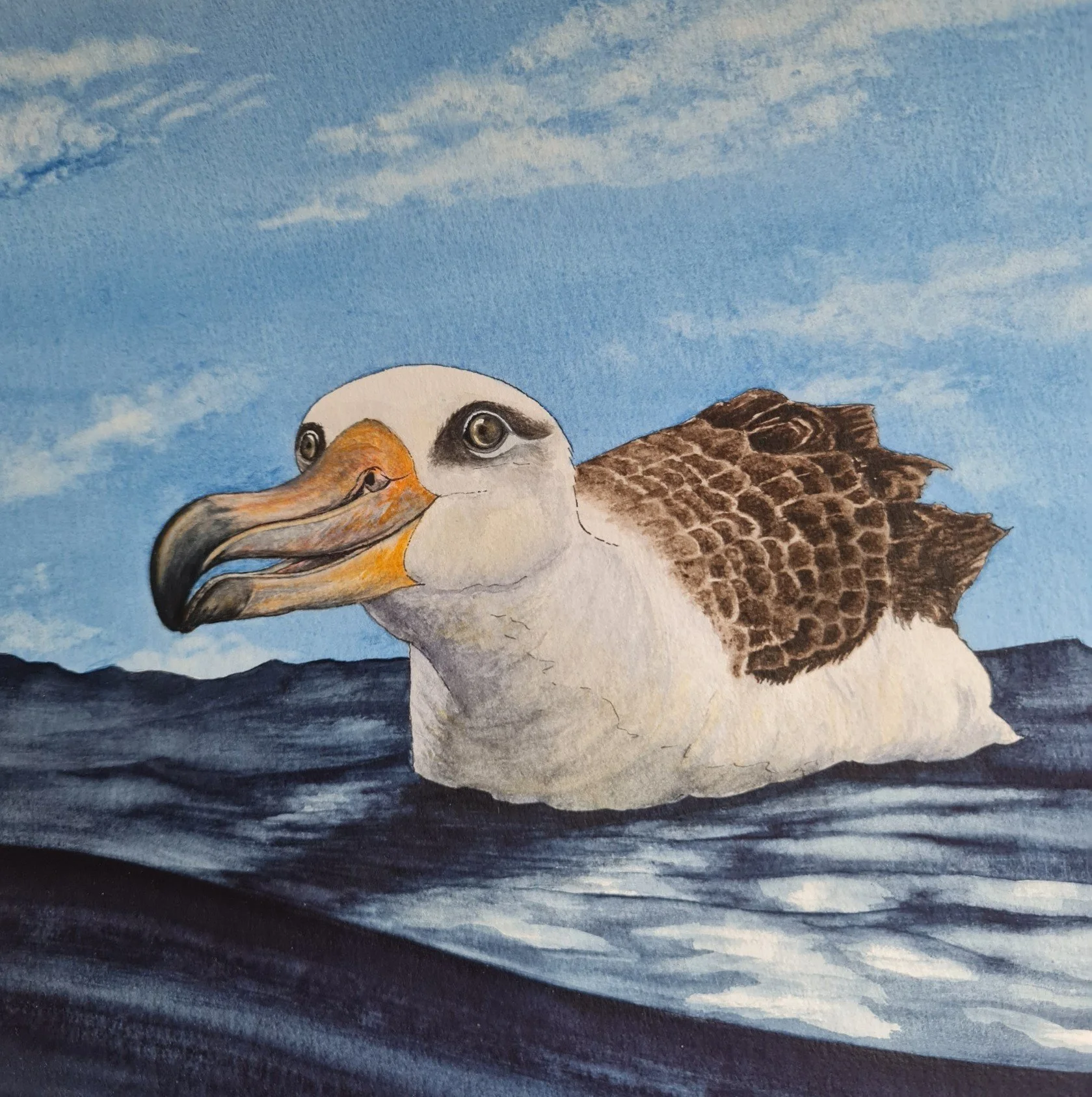
Watercolour image of an albatross, floating in the ocean. From the children’s book ‘Albatross and the Rubbish’ by Helene Gardiner.