

April 2026
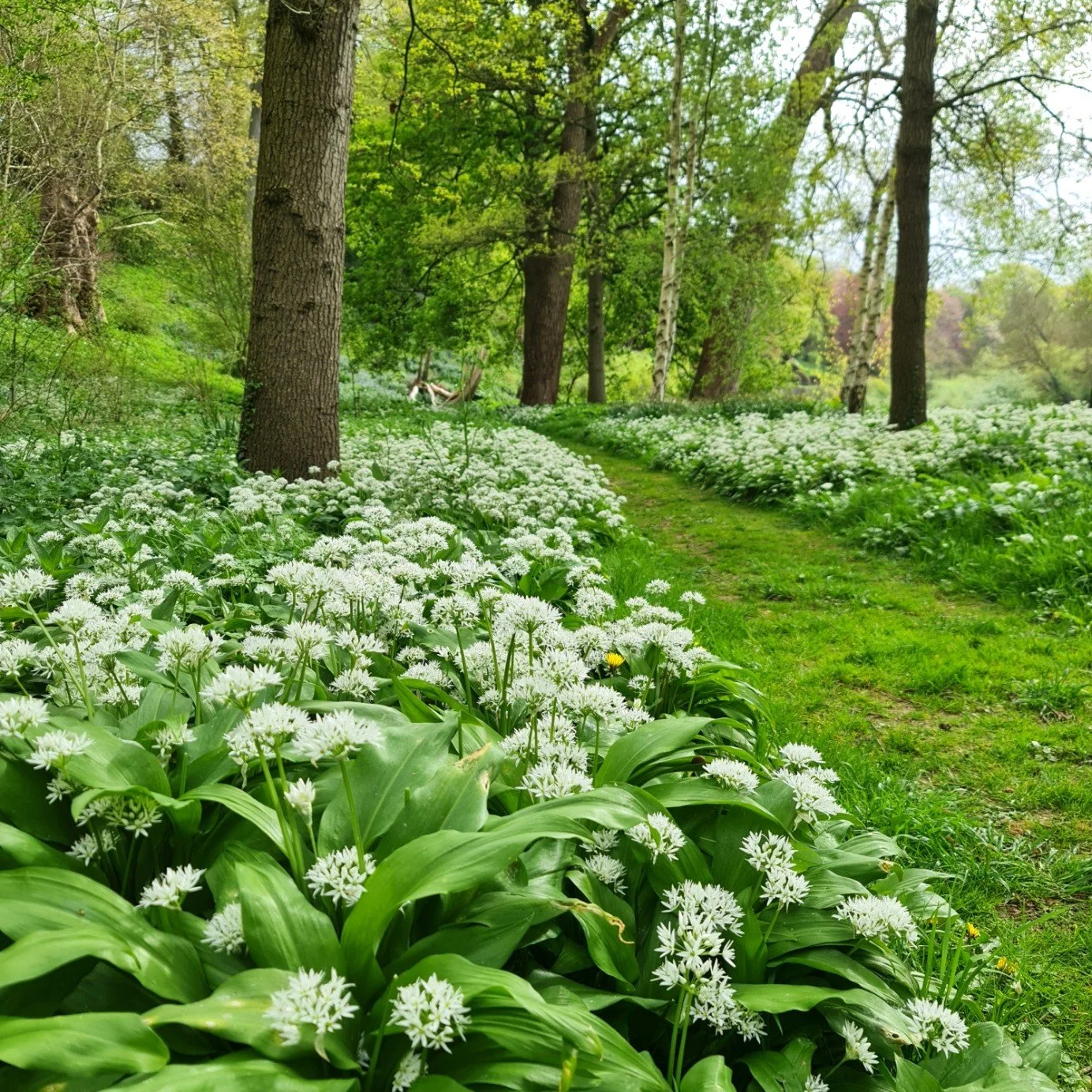
Ramsons, Allium ursinum (also known as, cowleekes, cows’ leek, cowleek, buckrams, broad-leaved garlic,wood garlic, bear leek, Eurasian wild garlic, onion grass, or bear's garlic) grow in moist woodland, so we have them in abundance at The Weir Garden.
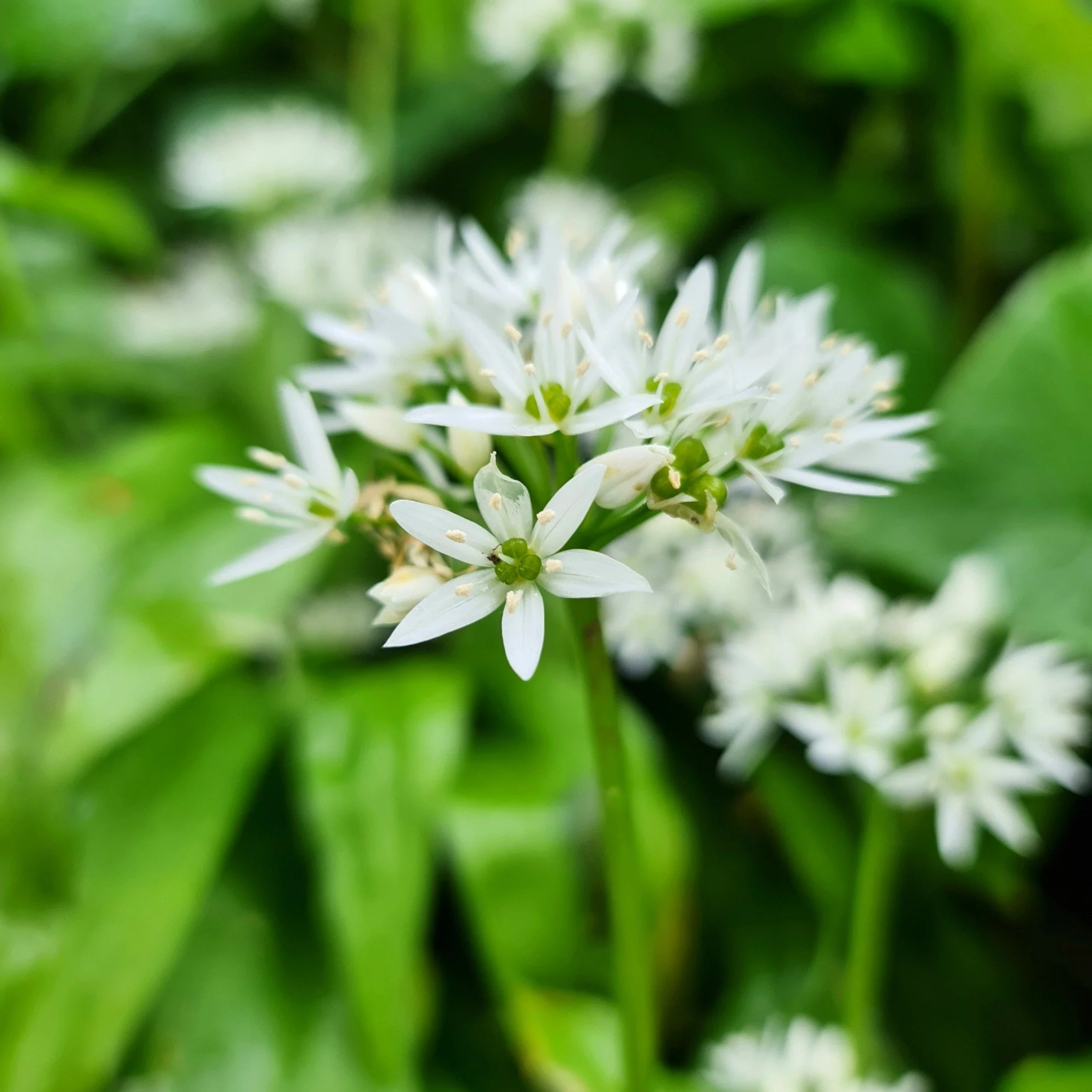
The second part of the Latin name, ursinum, refers to the fact that brown bears love to eat the bulb, which also gave rise to two of its common names – bear’s leek and bear garlic.
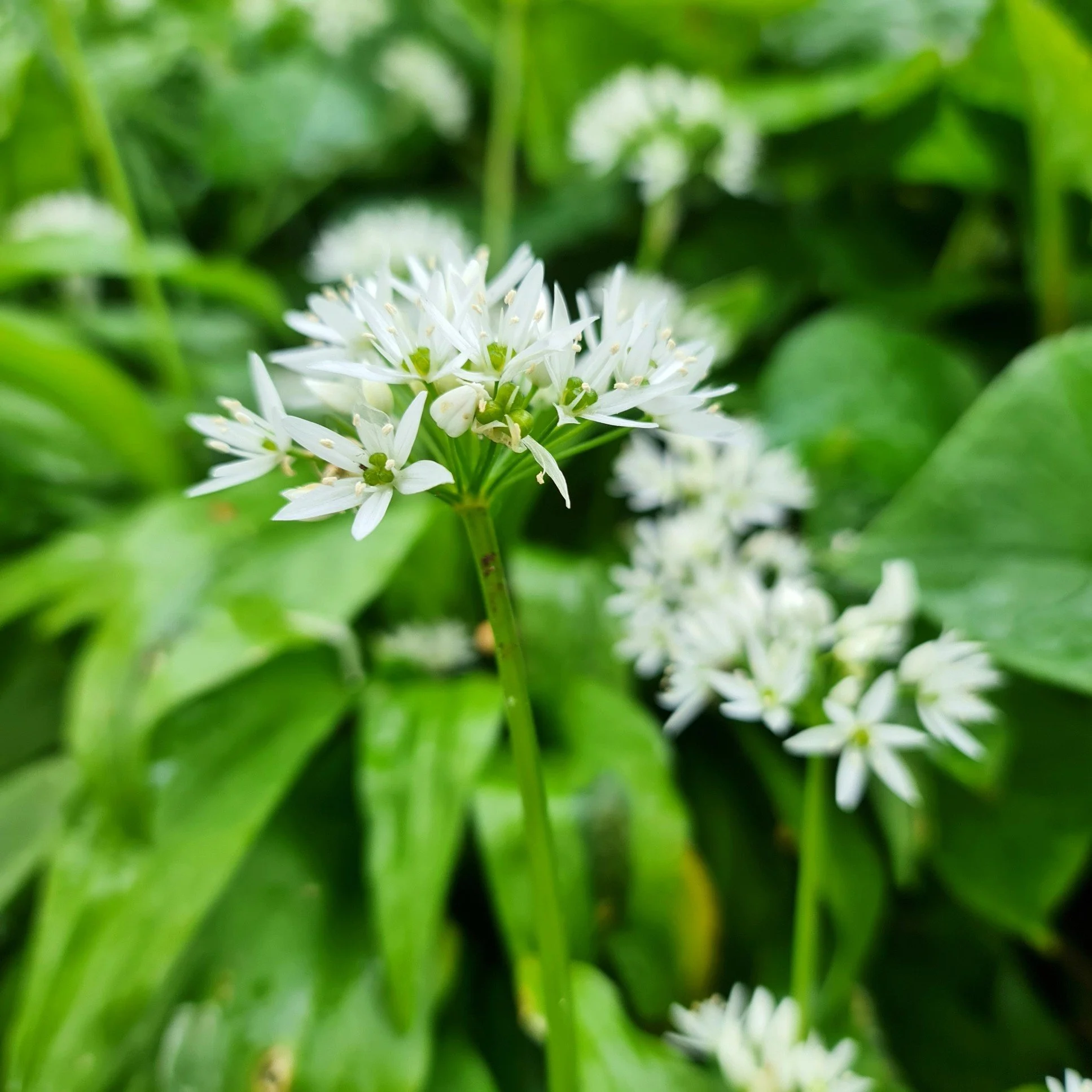
Ramsons are an important early food source for bees and other pollinators, but also a food source for wild boar - though I’m pretty sure we don’t have any of those in The Weir Garden!
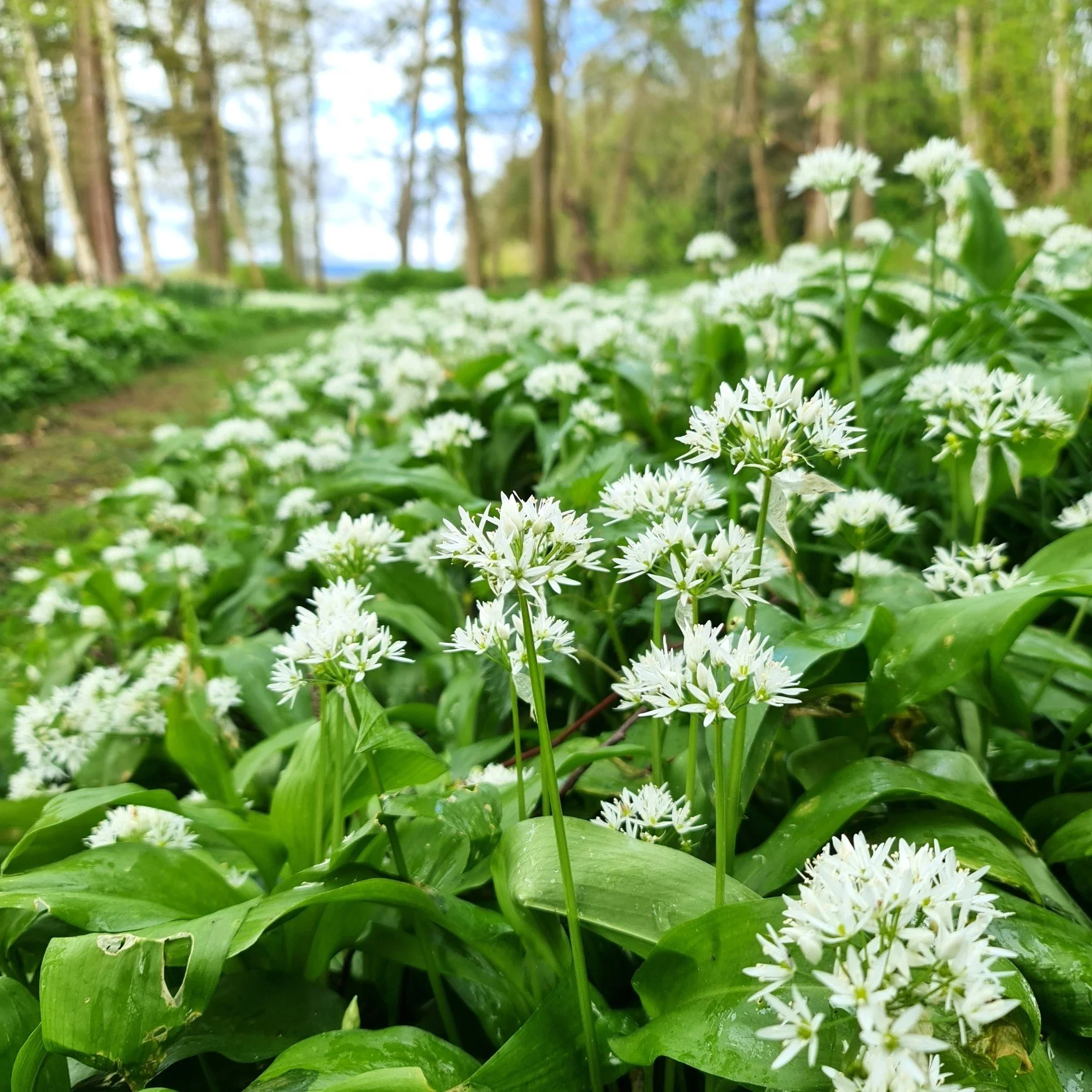
A wild relative of onion and garlic, the ramson’s pungent aroma drifts amongst the woodland canopy, bringing the sights and smells of the British woodland to our doorstep.
Wild Garlic, Allium triquetrum Snow Bell, or Three Cornered Leek, nestled amongst the bluebells.
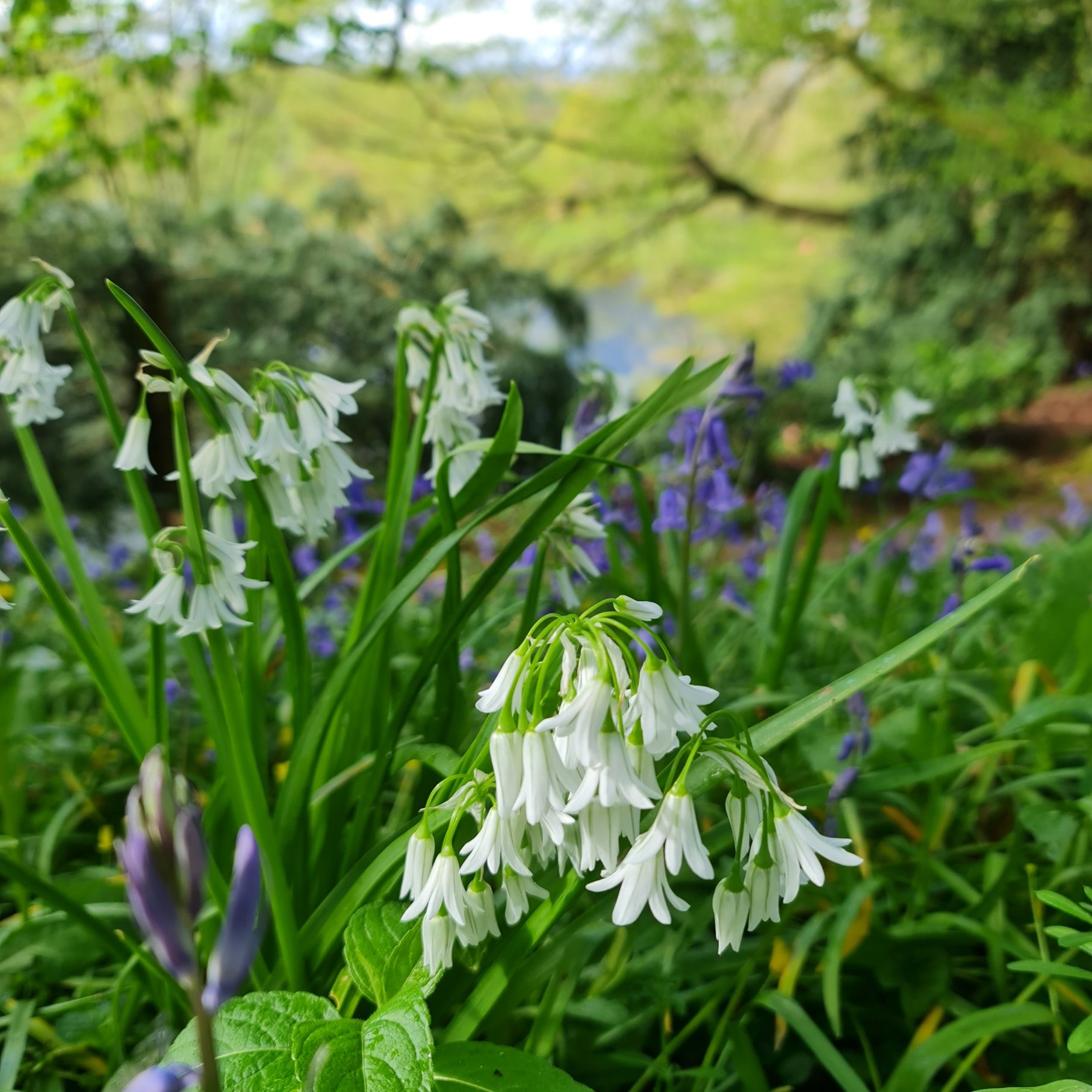
This milder, sweeter wild garlic was originally brought over to the UK from the Mediterranean in the 1800’s. It may have been incorporated into the early Weir Garden planting scheme in the 18th century, as it was a popular ornamental plant for private gardens at that time. It was appreciated for its attractive, white, bell-shaped flower, but is now considered an invasive species.
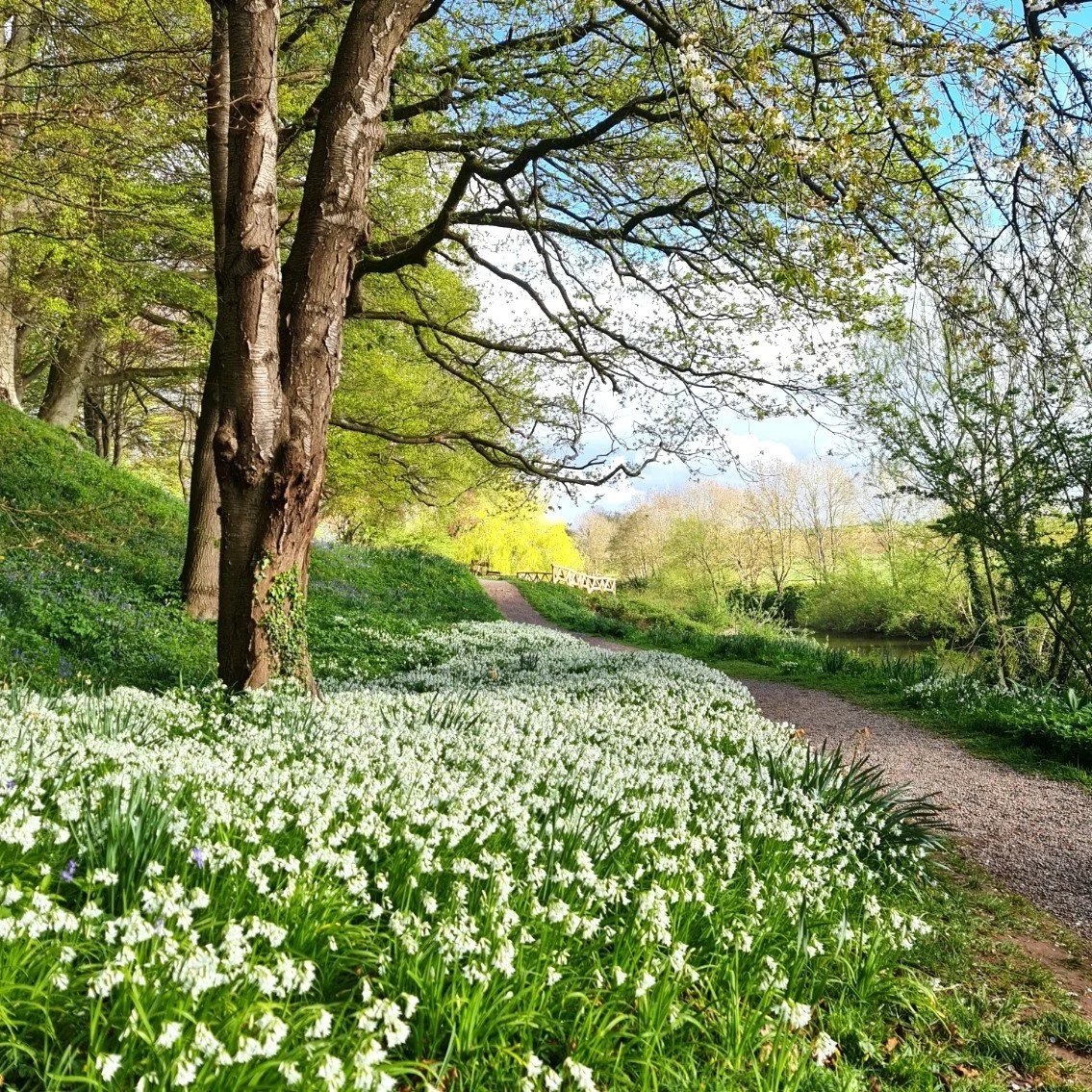
The British bluebell, Hyacinthoides non-scripta, is a native, protected species that flowers in spring, typically in woodlands. The UK holds more than half the global population of this species.
It is an indicator species for ancient woodlands, and has inhabited the UK for centuries. Dense carpets of bluebells often signify that a woodland has existed since at least the 1600s.
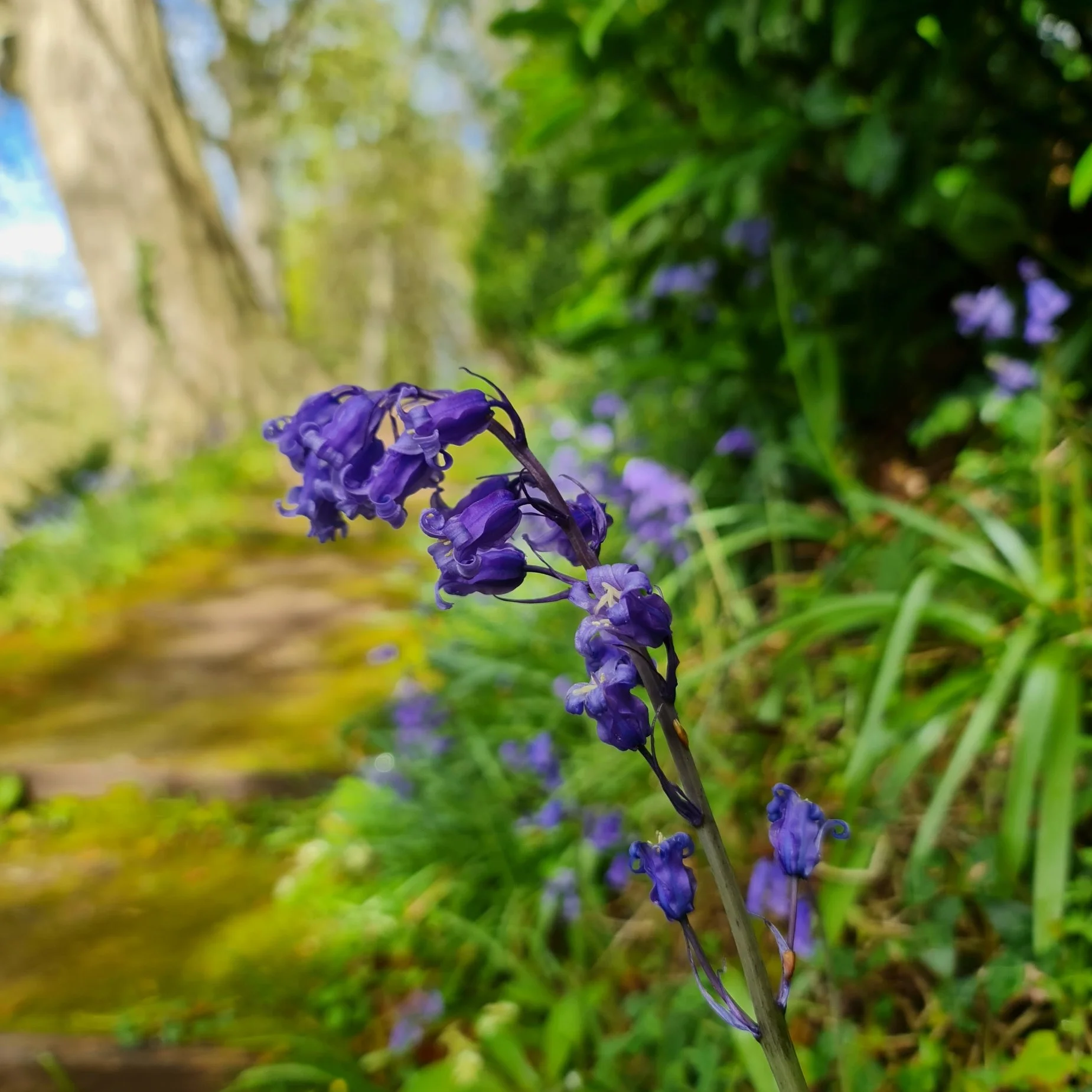
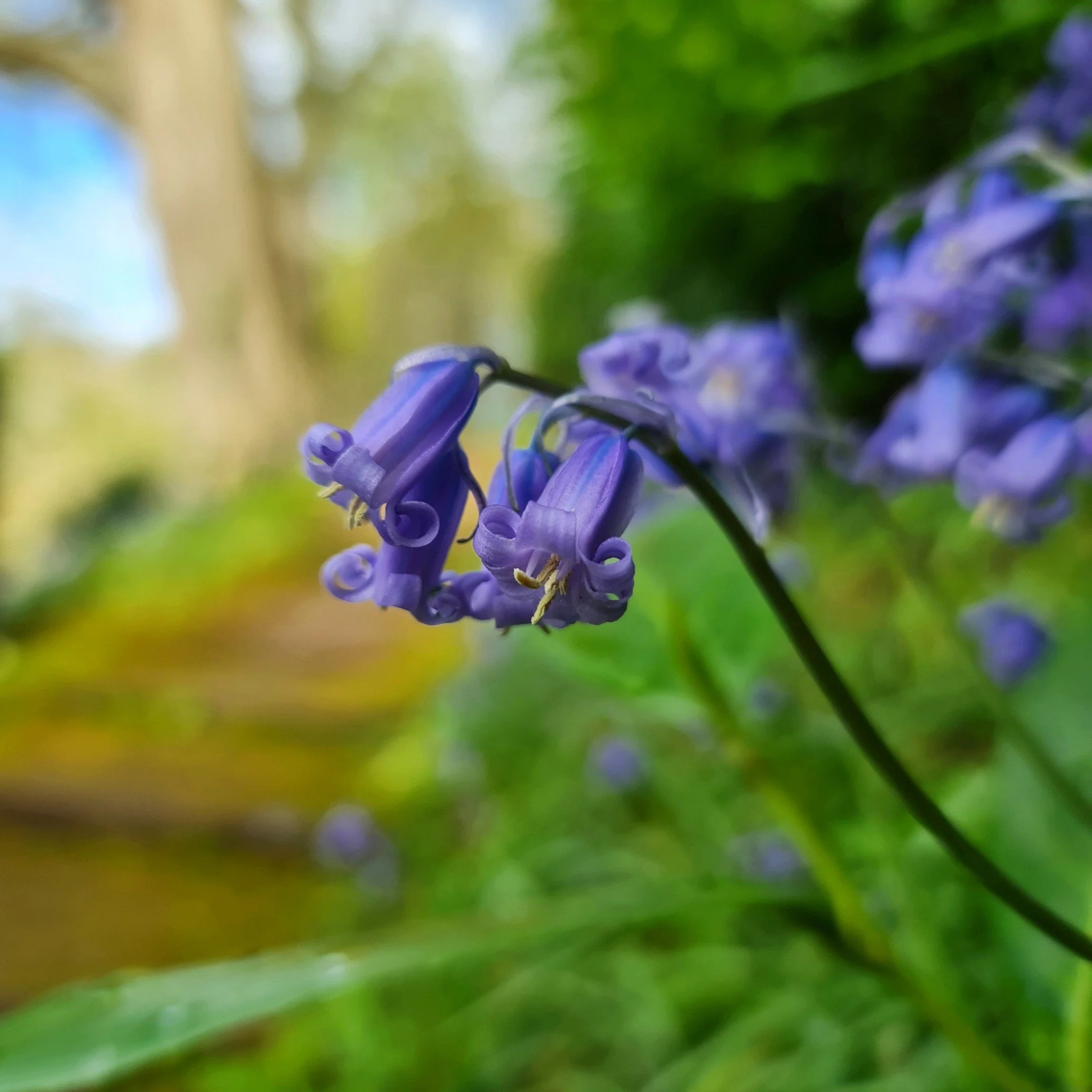
Early botanists called them "crowtoes" and it was believed that walking through a bluebell ring could cause a person to fall under a spell or die.
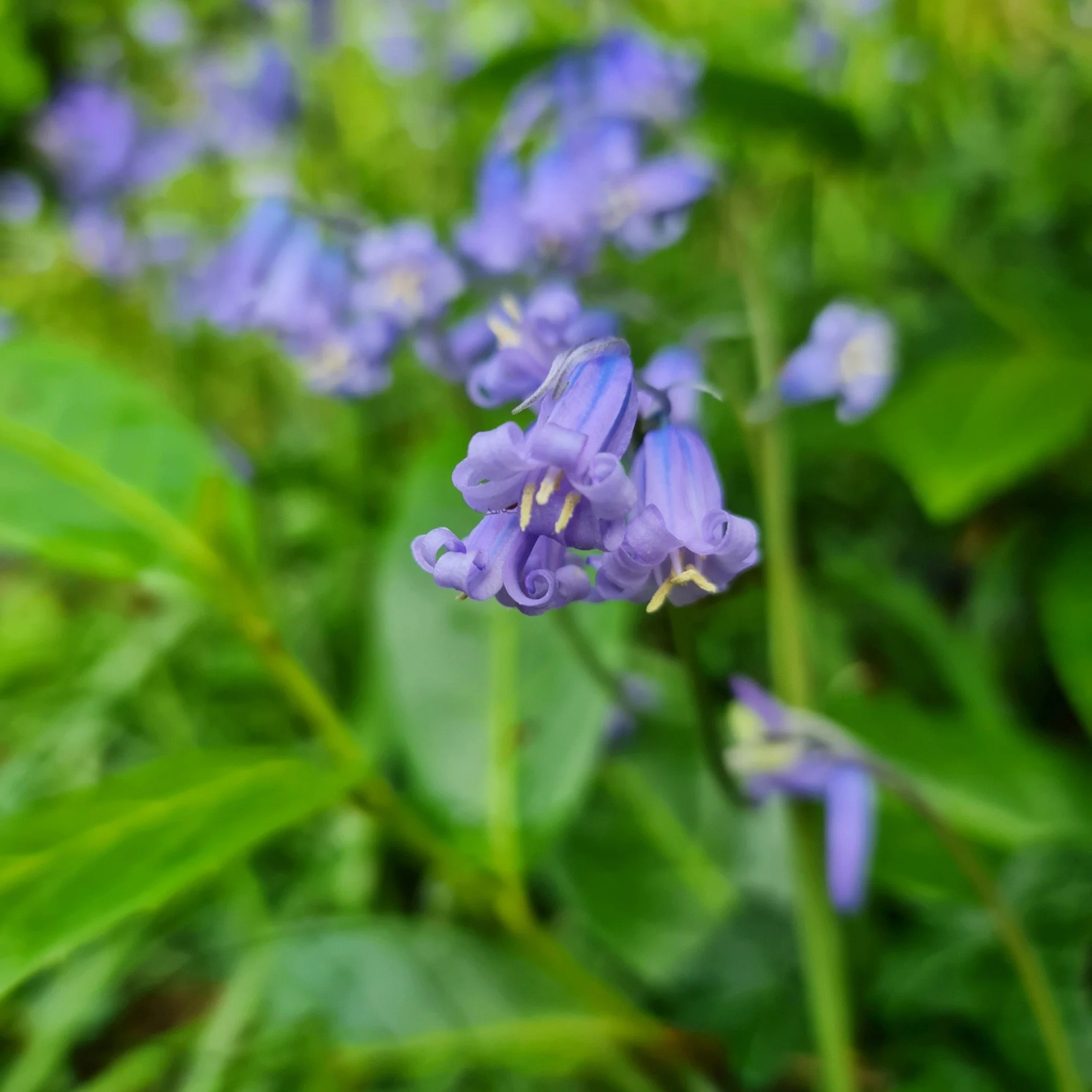
During the Bronze Age, the gluey gum from the bulbs was used to attach feathers to arrows. This sticky substance was also used in later bookbinding.
In Elizabethan times, starch from the bulb was used to stiffen the ruffs of Elizabethan collars.
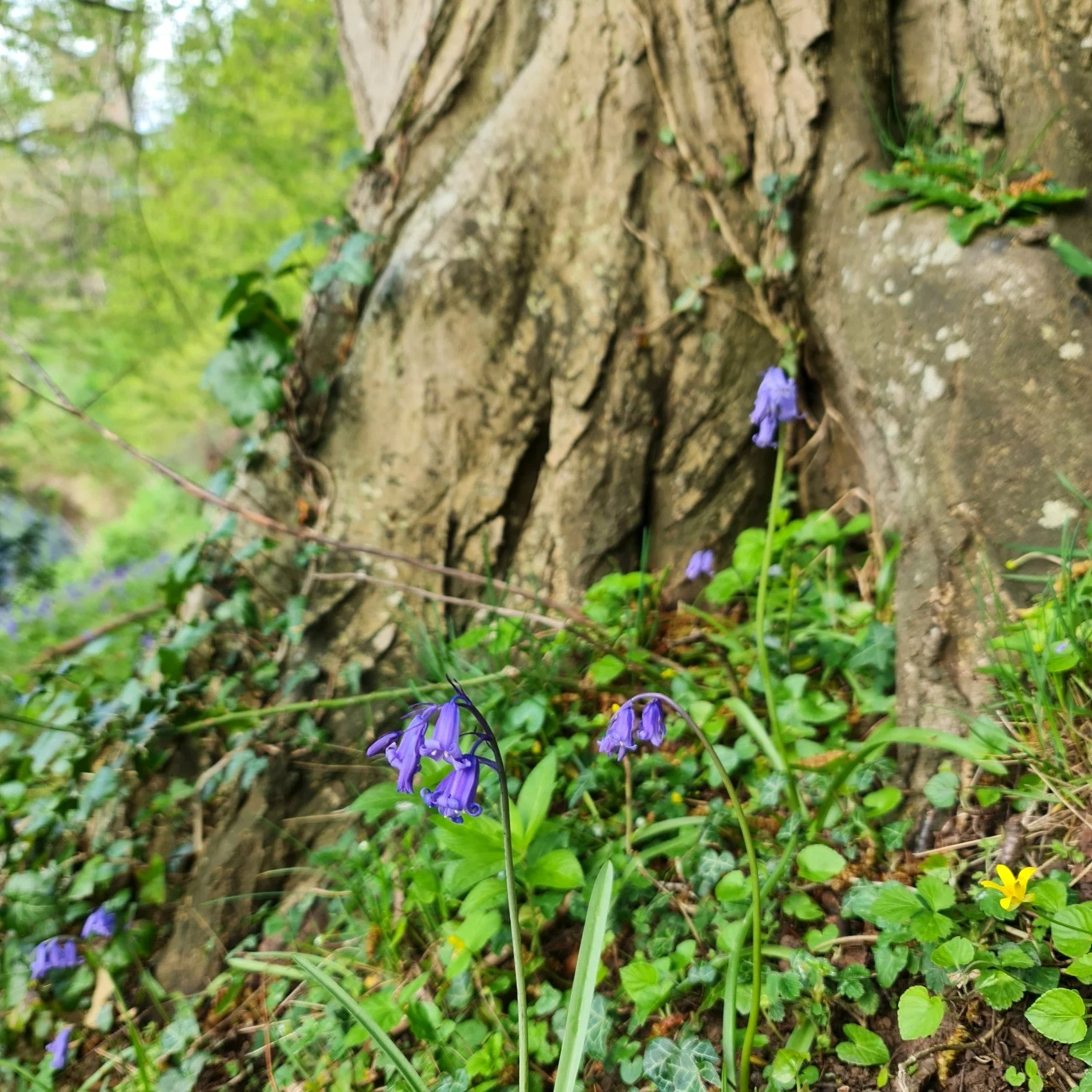
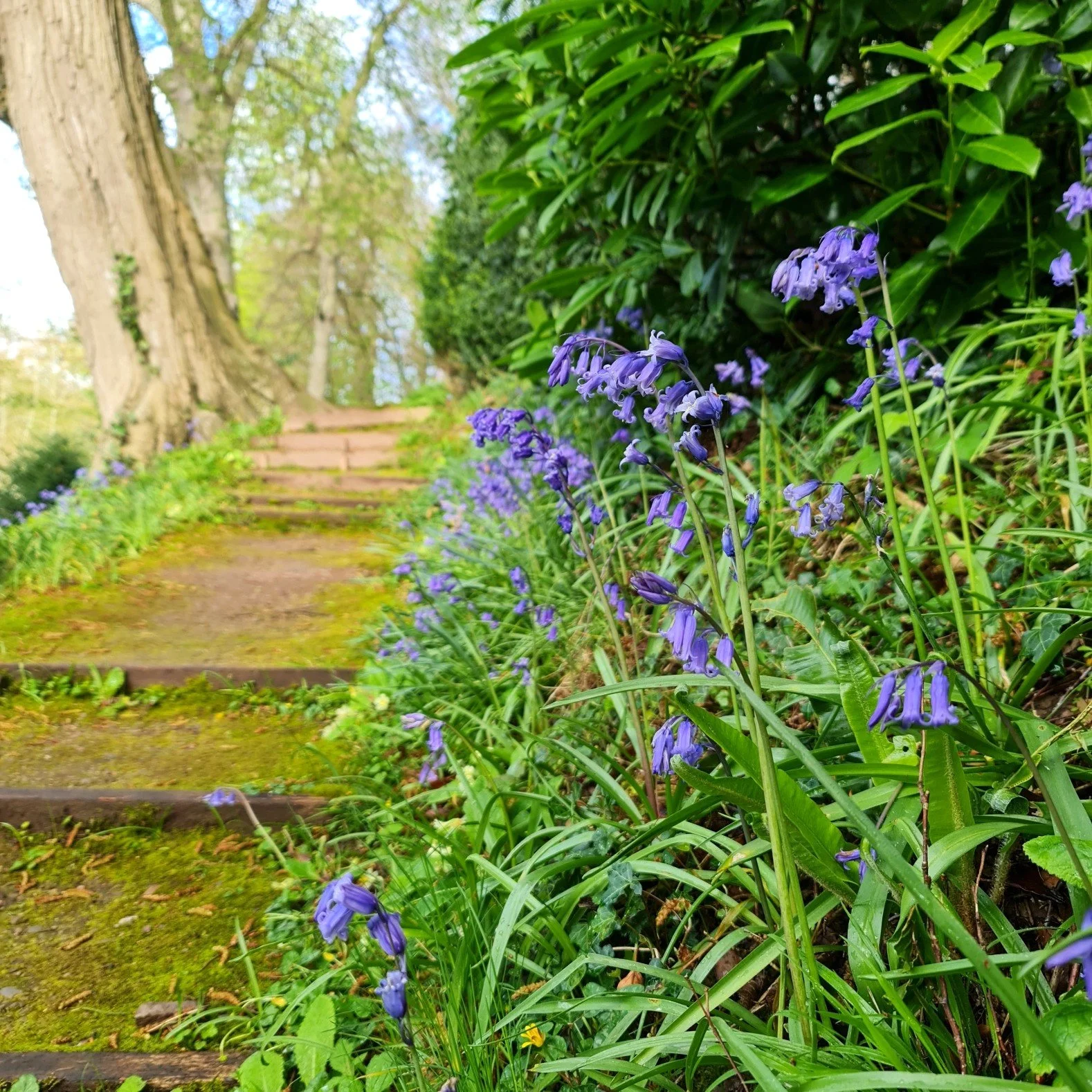
Woodland butterflies, bees and hoverflies all feed on their nectar, reaping the benefits of the early-flowering bluebell. Bees with short tongues gain access to the nectar by biting a hole in the bottom of the flower, reaching it without the need to pollinate the flower.
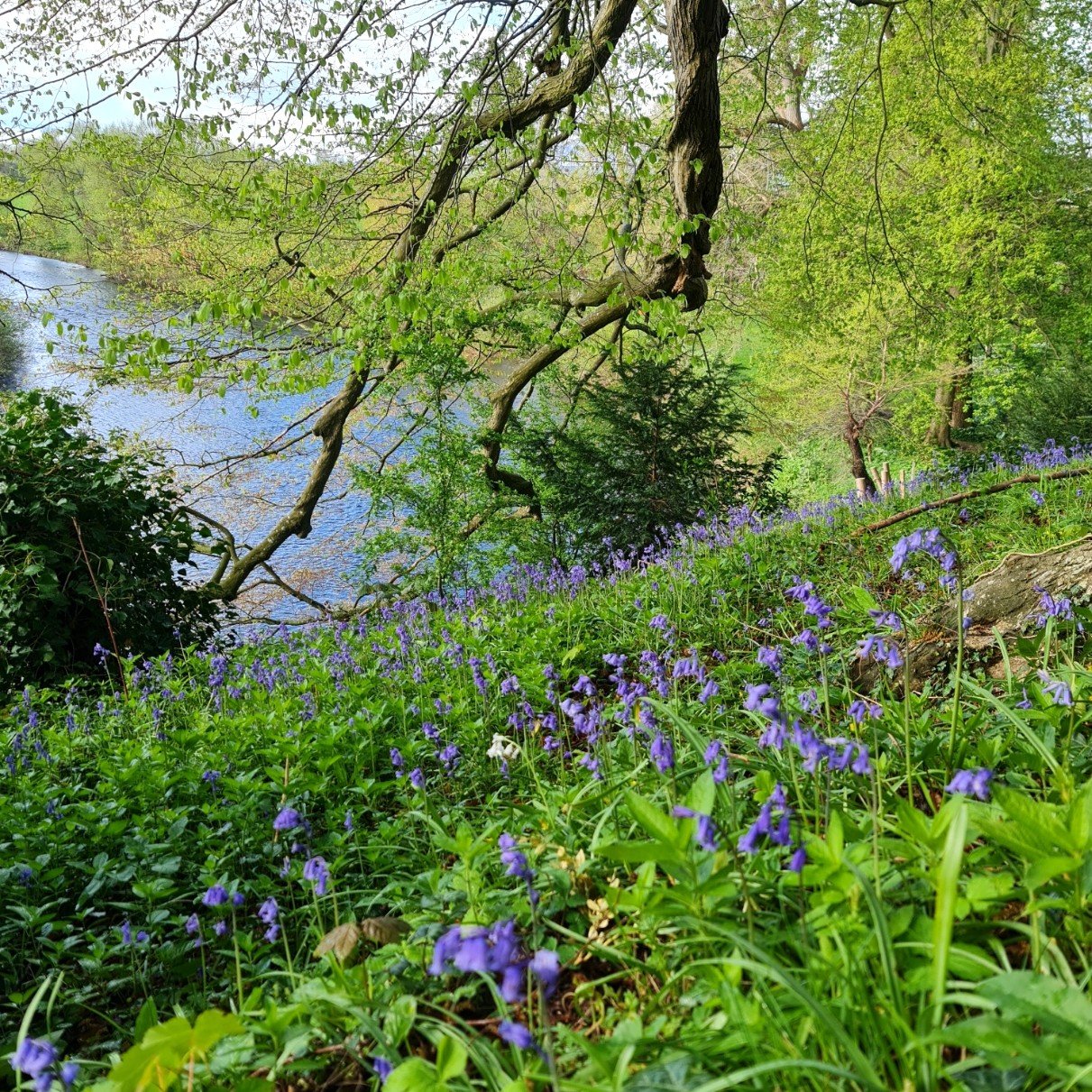
Bluebells can take years to recover from the damage caused by trampling, and if their leaves are crushed it can weaken the plant, preventing it from photosynthesising.
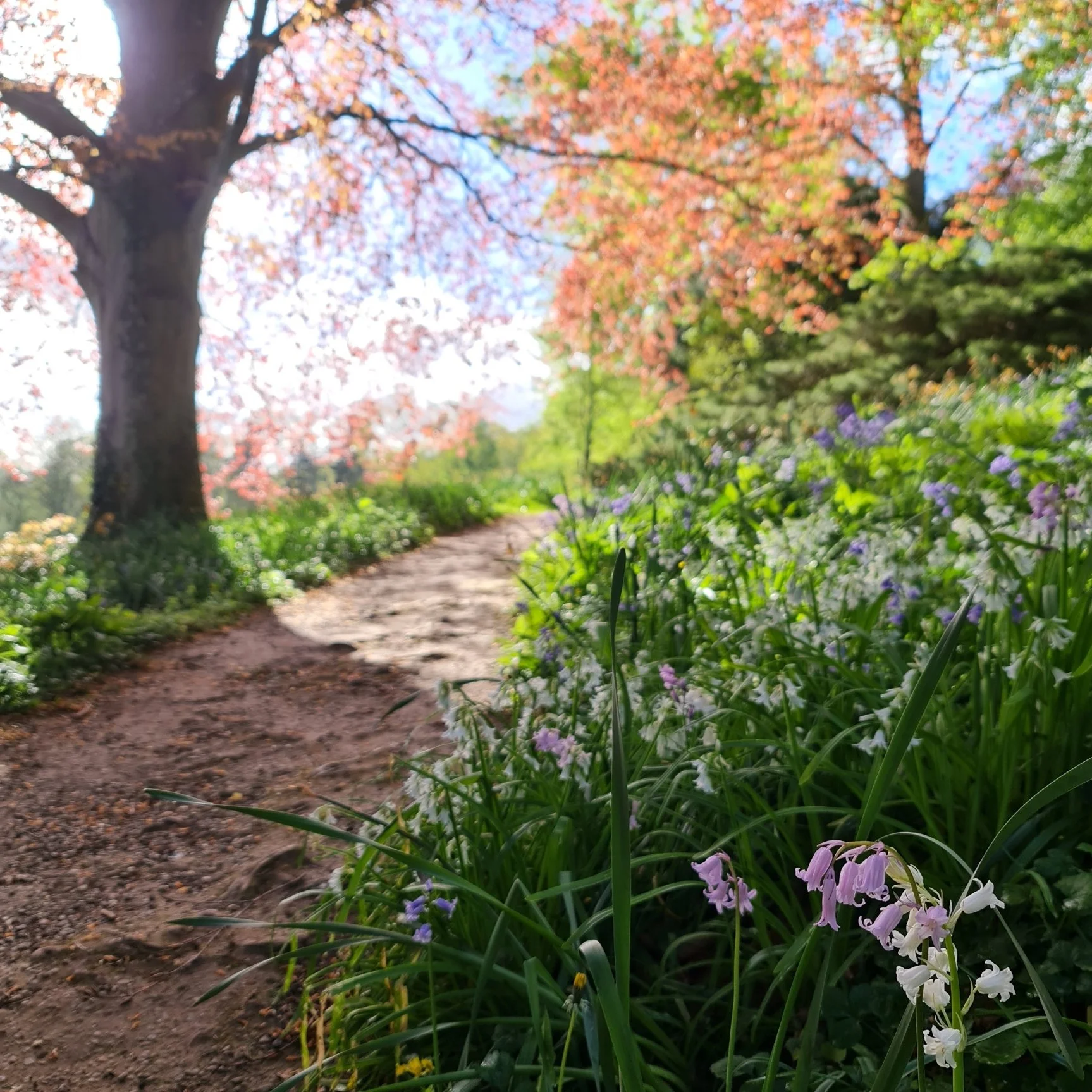
You may be lucky to spot some pink and white bluebells in The Weir Garden - a welcome and delightful sight.